

The Ultimate Guide to Compress Video Online
In today’s digital landscape, video content is everywhere. Whether you are a content creator, a marketer, or simply someone who enjoys sharing videos online, you’ll inevitably encounter the need to compress video online https://cliptools.net/en/video-compressor/. Compressing videos helps reduce their file size, making them easier to upload, share, and store without losing too much quality. In this article, we will explore why video compression is essential, how it works, and the best tools to use in 2023.

Why Compress Video?
Video files can be incredibly large, especially when recorded in high definition or higher resolutions such as 4K. Large file sizes can be cumbersome and may lead to longer upload times, storage issues, and compatibility problems across different devices. Here are some reasons why you should consider compressing your videos:
- Faster Uploads: Smaller file sizes mean quicker uploads to platforms like YouTube, Vimeo, or social media.
- Storage Savings: Reducing file sizes can help you save on storage costs, whether using cloud services or external hard drives.
- Improved Playback: Compressed videos are easier to stream, reducing buffering times and improving user experience.
- Better Sharing: Smaller files are easier to share through emails, messaging apps, or social media.
Understanding Video Compression
Video compression involves reducing the size of a video file using various algorithms without significantly degrading its quality. This is achieved through two primary methods:
- Lossy Compression: This method reduces file size by permanently removing some data and details from the original video. It results in smaller files but can lead to a noticeable loss in quality if compressed too much. Common lossy formats include MP4, AVI, and MOV.
- Lossless Compression: In this method, the original quality of the video is preserved, but the reduction in file size is less pronounced compared to lossy compression. Lossless formats like AVI or QuickTime may retain quality but can still result in larger files than their lossy counterparts.
How to Compress Video Online
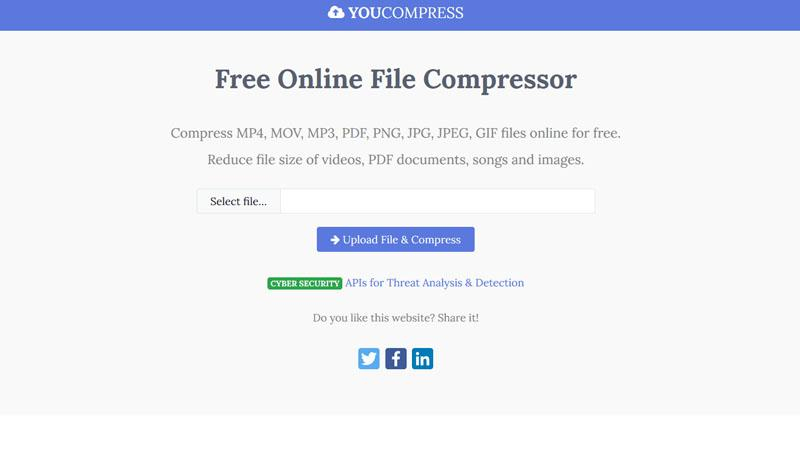
Compressing videos online is a straightforward process that typically involves a few simple steps. Here’s how to do it:
- Choose a Video Compression Tool: Selecting the right online video compressor is crucial. Many tools are available, with different features, so consider the one that best suits your needs.
- Upload Your Video: Once you’ve chosen a tool, the next step is to upload the video file you want to compress. Most online services allow various file formats.
- Select Compression Settings: Depending on the tool you are using, you may have options to adjust the video resolution, bitrate, and format. Selecting the right settings can help maintain the quality while reducing the file size.
- Compress the Video: After setting your preferences, initiate the compression process. This typically takes a few moments, depending on the file size and your internet connection speed.
- Download the Compressed Video: Once the process is complete, you’ll be provided with a link to download the compressed video file.
Best Online Video Compressors of 2023
With a plethora of online tools to choose from, it can be overwhelming to find the right one. Here are some popular and user-friendly options as of 2023:
- ClipTools: This is a robust video compression tool that offers a user-friendly interface and a variety of settings for optimizing your videos. It’s suitable for all types of users, regardless of skill level.
- HandBrake: While primarily a desktop application, HandBrake also offers online functionality that allows for efficient video compression. It’s open-source and provides advanced options for experienced users.
- VEED.IO: This cloud-based video editing tool offers a straightforward compression feature. You can compress your video quickly and easily, with various options to customize your output.
- CloudConvert: This is an all-in-one file conversion tool that includes video compression among its features. You can convert and compress various file types seamlessly.
Tips for Effective Video Compression
While video compression can help you save space and improve accessibility, it’s essential to do it wisely to avoid quality loss. Here are some tips:
- Keep a Backup: Always maintain a backup of your original videos before compressing them. This ensures that you can always revert if the quality of the compressed video is unsatisfactory.
- Optimize Settings: Experiment with different compression settings to find the best balance between file size and video quality. You may need to try multiple configurations to achieve ideal results.
- Test Different Formats: Some file formats compress better than others. For example, MP4 typically provides excellent quality at a smaller file size compared to JPEG, so consider using it for optimal results.
- Reduce Resolution: If quality is not as critical, reducing the resolution can significantly lower the file size without greatly impacting the viewing experience.
Conclusion
In a world where video content consumption continues to rise, knowing how to compress videos online is an invaluable skill. By understanding the methods of compression, utilizing the right tools, and implementing best practices, you can create a seamless viewing experience for your audience while saving valuable stora
ge space. Whether for personal use or professional content creation, compressing videos effectively can make a significant difference. Embrace the power of video compression today!
